
One Seed, One Community Project
This program aims to strengthen the community by providing a shared experience in growing nutritious food and collectively saving seed.
How It Works
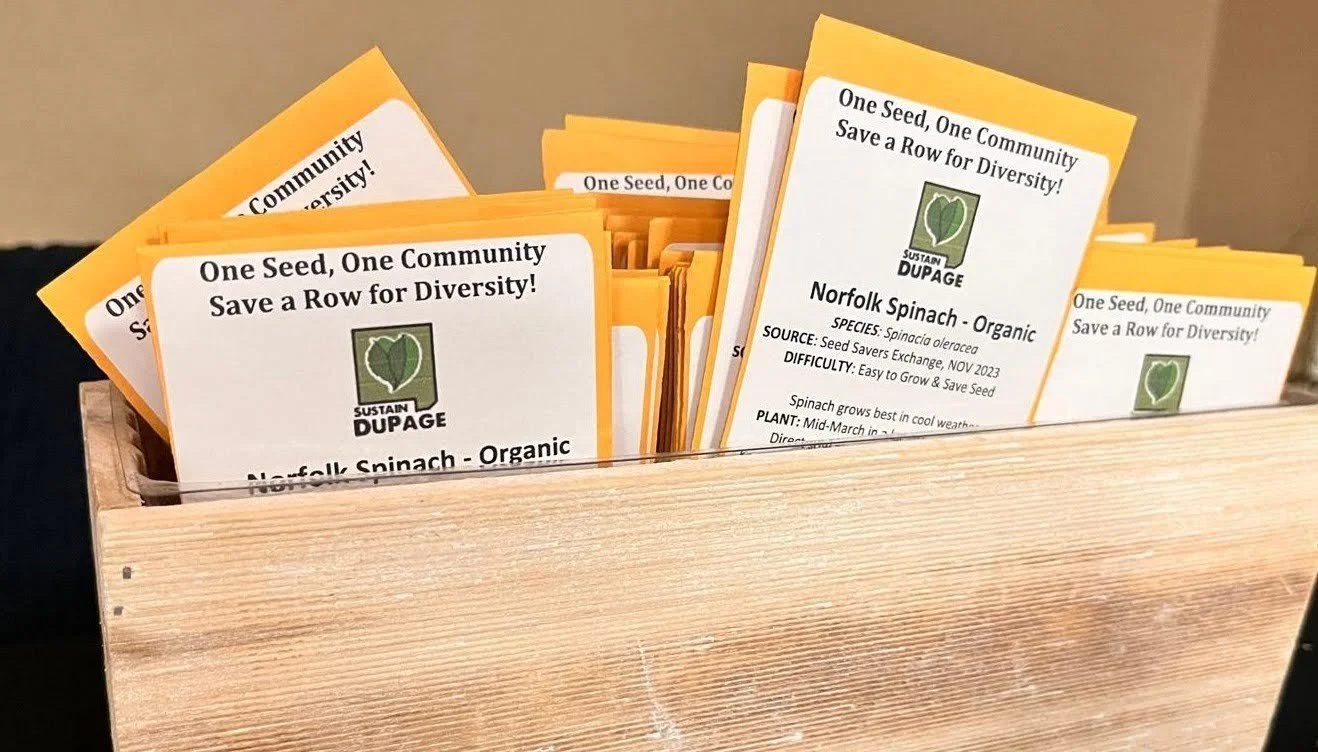
Sustain DuPage provides a free pack of organic, heirloom, or open-pollinated seeds to teach seed-saving skills. Together, we will preserve the variety for future generations.
You will be guided at each step of the process: planning, planting, mid-season, harvesting, and saving seed that will grow true to type year after year.
If you live in DuPage County and plan to grow organically, you are welcome to participate. Pick up your free pack of seeds at our annual seed swap in February (Wheaton Public Library) and other seed events listed in the Sustain DuPage monthly e-newsletter. (link to the e-newsletter archive, please).
In 2026, seed distributions will be at the Morton Arboretum Seed Swap, the Lombard Garden Club Seed Swap (Helen Plum Library), the Eco Expo (Carol Stream Library), and the annual Green Garden Fair (First Congregational Church, Elmhurst).
Finally, come September, we gather to celebrate the harvest at our annual Seed Savin’ Social, held in the beautiful Sustain DuPage Garden.
2022 - Cherokee Trail of Tears Bean
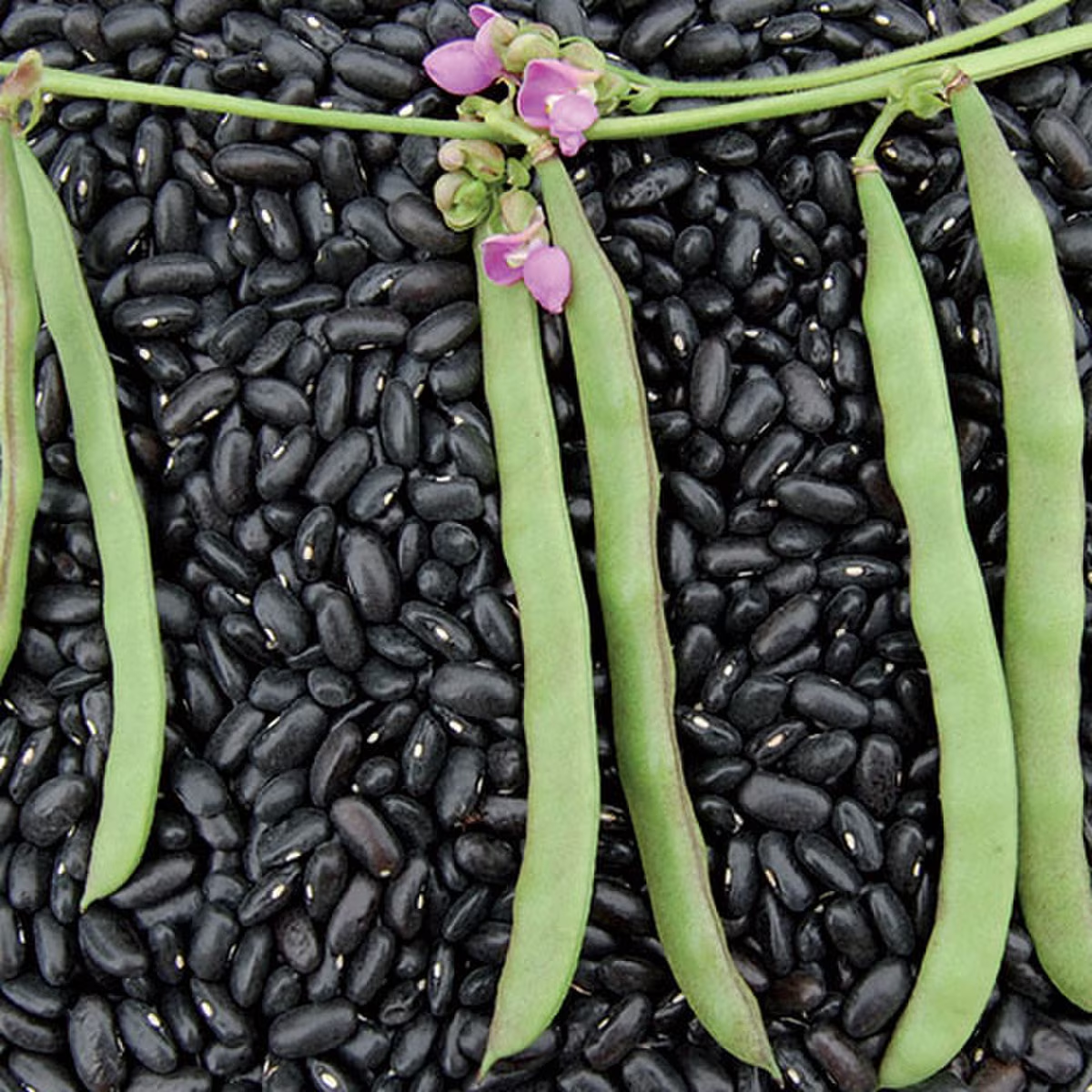
Also known as "Cherokee Black", this pole bean excels as both a snap and dry bean. Long vines (8-10 ft) require trellising and produce purple flowers which mature into 6" long green pods which produce black bean seeds. Delicious when eaten fresh, gardeners can also wait for the pods to mature to a crisp brown before harvesting the dry seeds for saving and cooking. This heritage variety was preserved and carried by the Cherokee people during the infamous winter death march, which displaced them from the Smoky Mountains to Oklahoma between 1838 and 1839, which mature into 6” long green pods.
2023 - Provider Green Bean
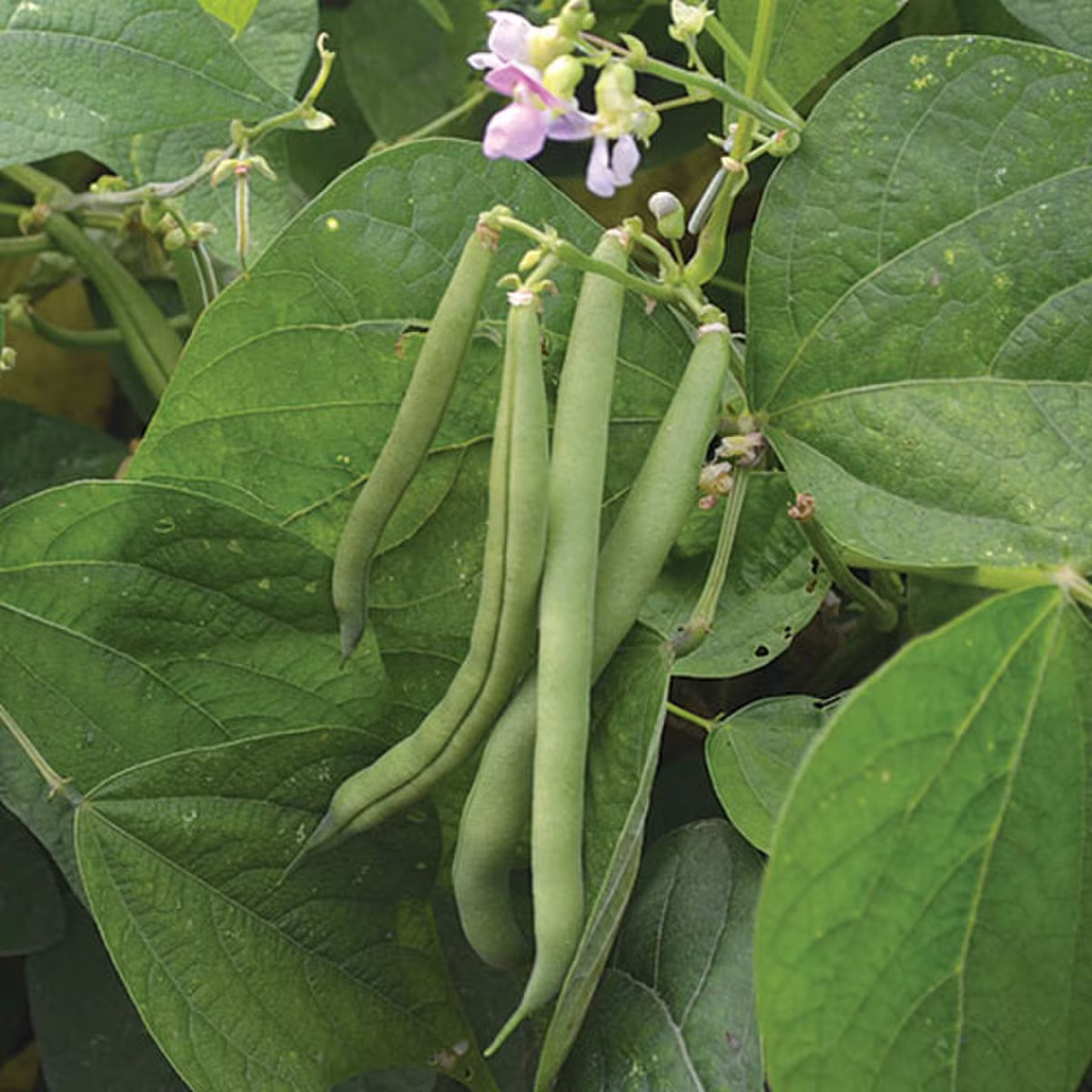
A versatile bush bean which thrives in cooler temperatures and produces early harvests of 5 ½" tender pods. The uniformity and prolific nature of these beans make them great for canning and freezing, besides fresh eating. Compact plants grown at 2" spacing should be harvested frequently for extended harvests. When left to mature on the plant for seed saving, these pods will produce purple seeds. This variety was introduced in 1965 for its tolerance to diverse climates and powdery mildew.
2024 - Amish Snap Pea
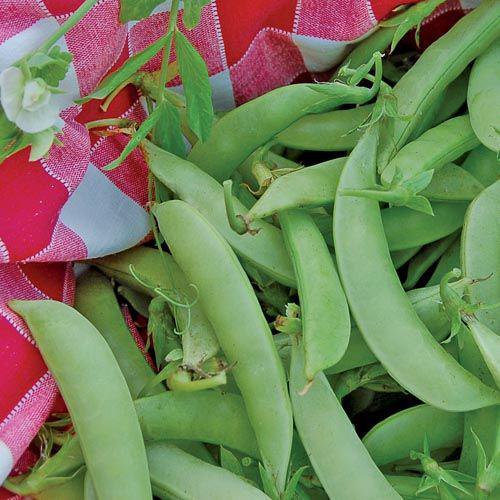
Tall (5-6' ft) vines produce abundant quantities of 2" long pods. Yields can extend over 6 weeks if picked frequently. Usually eaten whole before the peas develop, this variety remains delicate and sweet even as it matures with the onset of heat. Plant individual peas 2-3" apart on either side of a trellis. This beloved heirloom came from the Amish community.
2025 - Norfolk Spinach
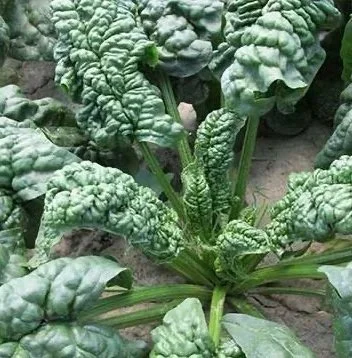
This historic variety can be traced back to commercial seed sales in 1878, and has been a garden favorite ever since. Reaching upwards to 10" in height, this semi-upright plant produces large, dark green leaves. The heart-shaped leaves have a savoyed edge and are borne on long stems. Planted both in spring and fall, plants can bolt with the onset of summer heat. For larger plants, fall planting is recommended. However, to save seeds, plant in spring and let the seeds dry to full maturity in the early summer.
2026 - Hidatsa Red Bean
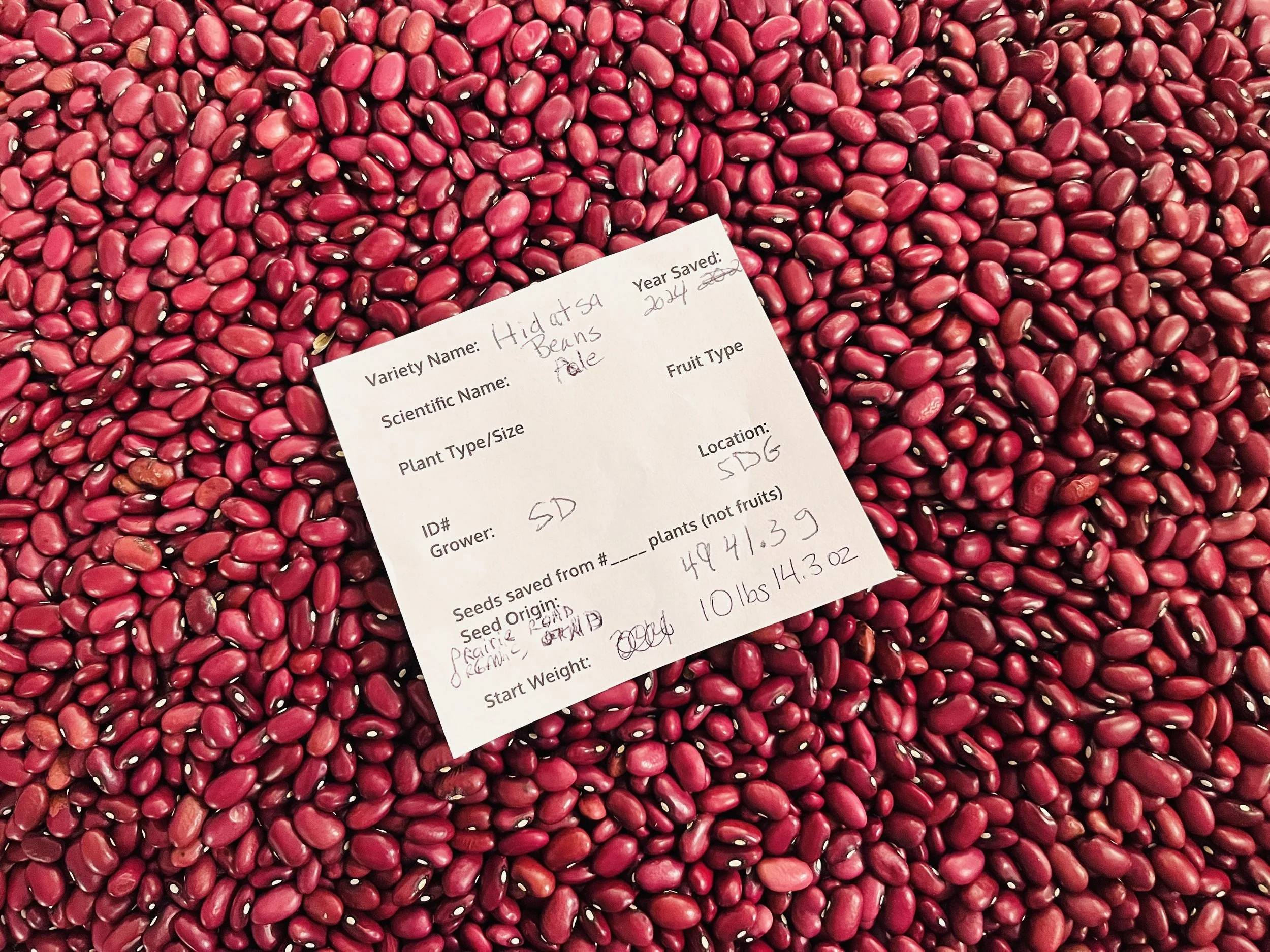
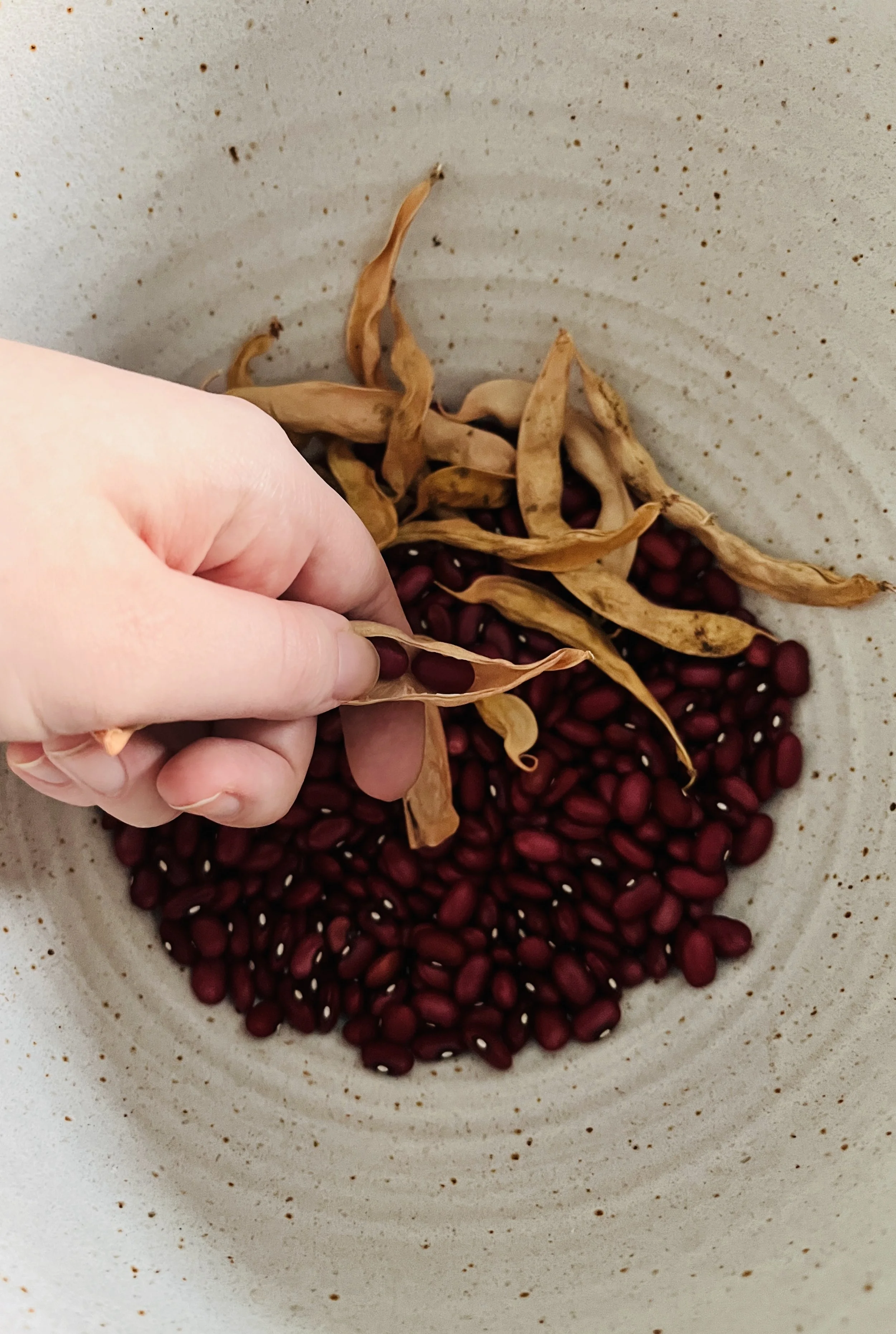
A historically significant heirloom bean of the Hidatsa people of North Dakota, where it is called Ama’ca hi’ci. These beans have been cultivated for 2,000 years and are documented in the 1917 book Buffalo Bird Woman's Garden. A semi-pole variety, these beans are borne on 3' tall vines, fully ripening into a deep, rosy-red bean with a thin skin and creamy interior. Highly prolific: each plant can produce up to 100 pods and prefers sunny, warm growing conditions. Thin bean plants to 6" spacing after soil has warmed (end of May/early June). For dry beans and seed saving, let the pods dry completely on the plants. These beans have high drought tolerance.