

The Garden
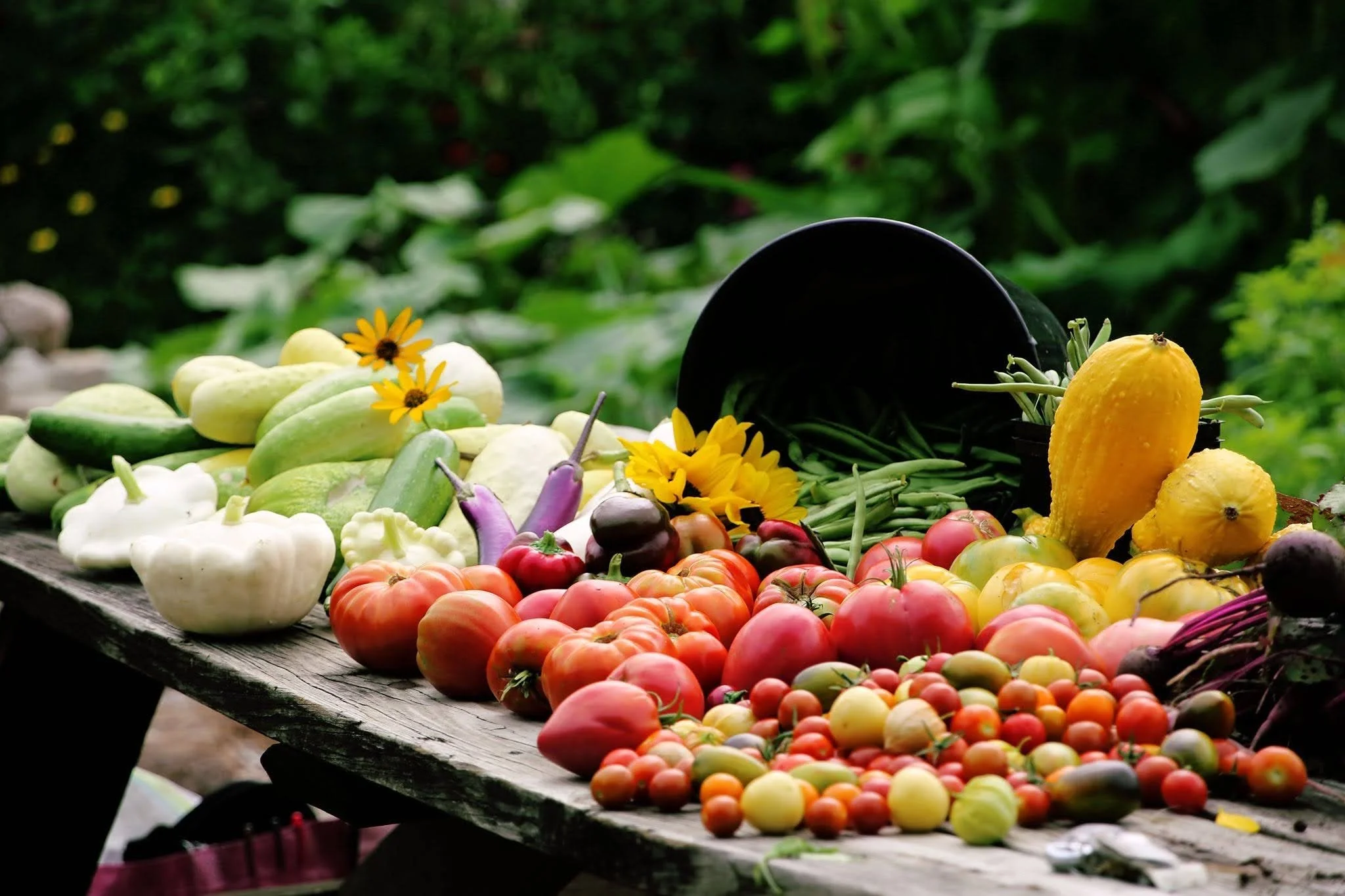
Growing community, gardeners, and healthy food in the heart of DuPage.
What is the Sustain DuPage Garden?
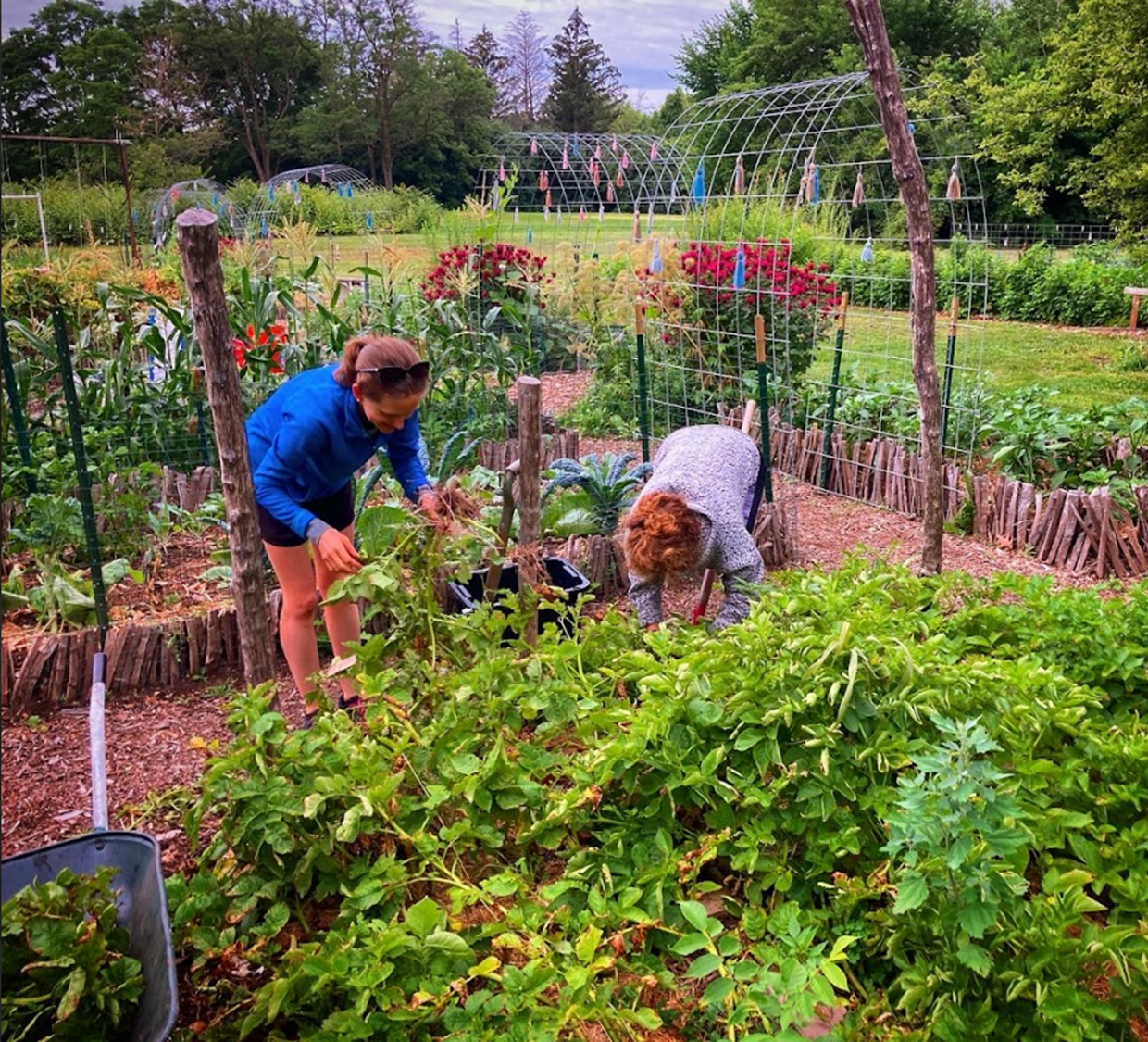
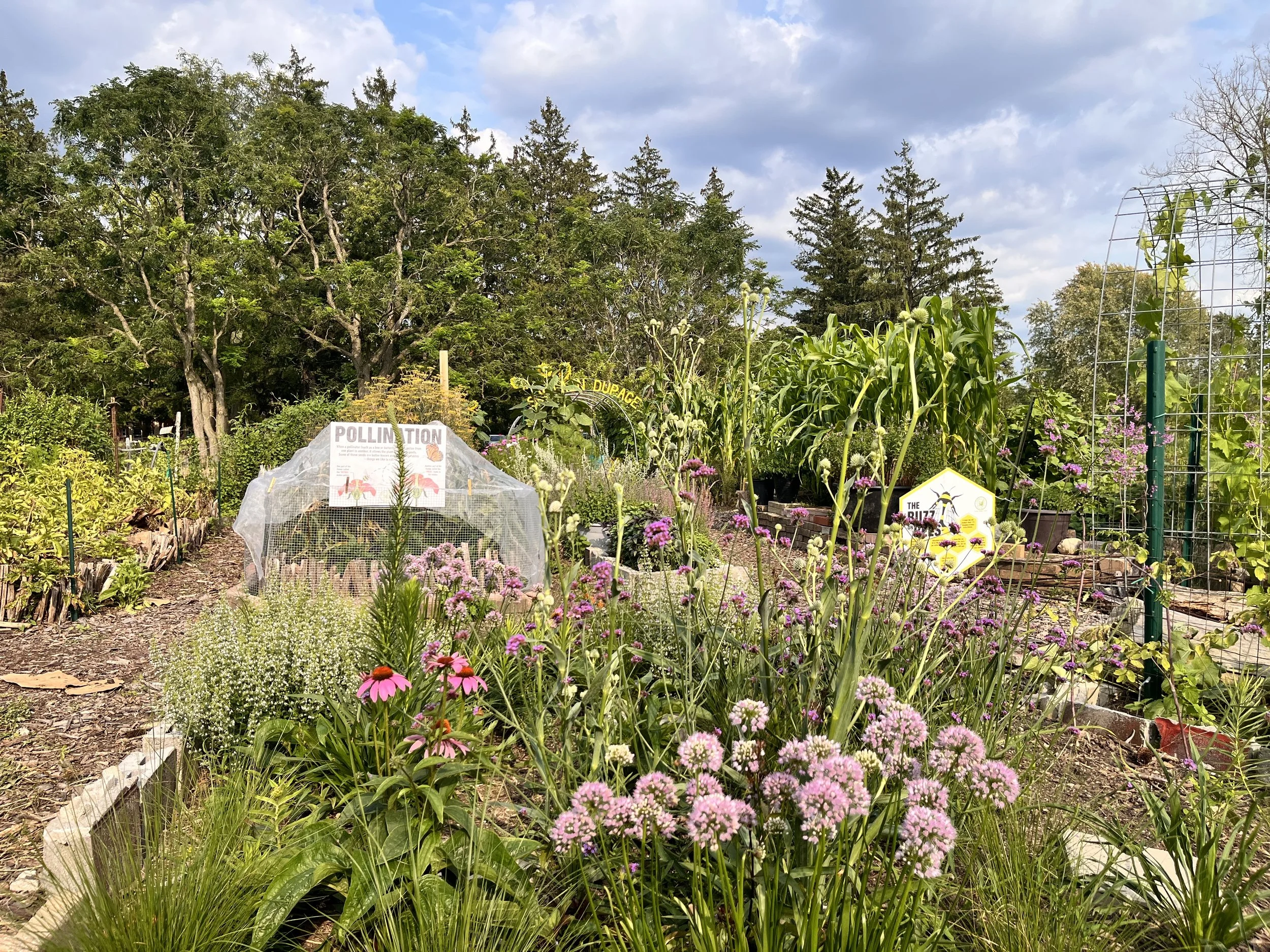
We are a quarter-acre communal garden located on the grounds of the Theosophical Society (Olcott Arboretum) in Wheaton, IL. The garden is our place to grow together as a community, learning new techniques and putting sustainability principles into practice. Our volunteers are given first pick of the harvest, with the remaining produce going towards our other mission projects, such as Community Cooking and the Food Security Squad. The Creators project is also served by the SD Garden, with our various flowers, dyes, and fiber plants. Nothing is wasted, especially with our Compost Crew returning all scraps into healthy soil.
Although led by our Gardeners Organizer, we take a communal, collaborative approach to managing and planning the garden, with volunteers stepping up to lead specific projects, crops, or experiments. Our participants represent a diverse range of expertise and gardening traditions, so we’re always learning from each other. The SD Garden is also our social hub, where we come together for celebrations and gatherings of all types. During both work sessions and breaks, it is not uncommon for various volunteers to be leading teaching moments or workshops. Volunteers sometimes like to eat dinner in the garden before a worknight or share homemade snacks during workdays. Please note our garden is located on a vegetarian and alcohol-free campus. We respectfully ask you not to bring any meat, alcohol, drugs, or cigarettes to the garden or grounds.
How Do I Participate?
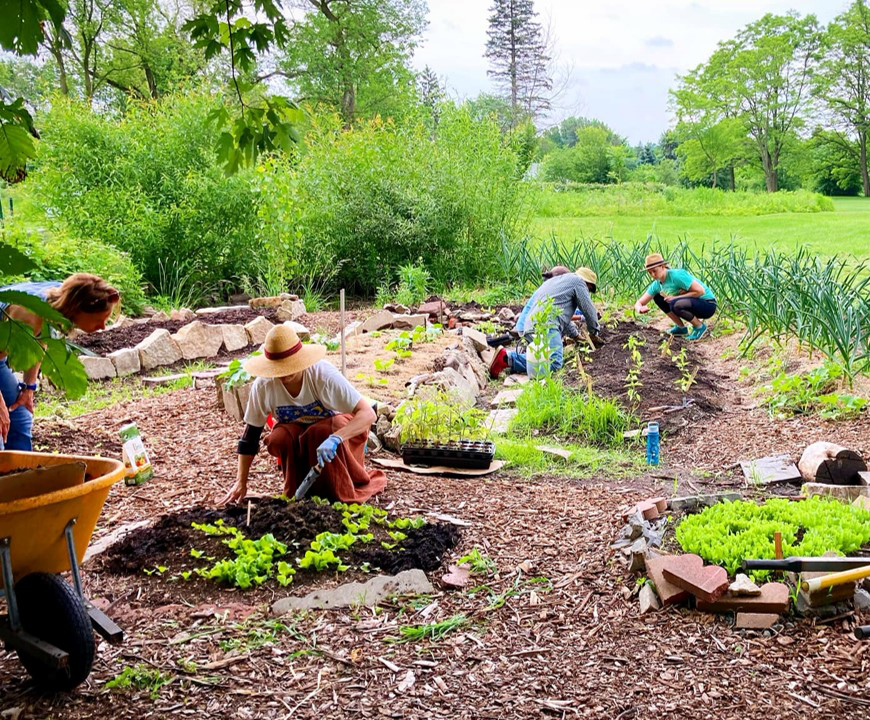
Getting involved is easy! You’ll need to attend one of our scheduled work sessions. Our garden is located at 1926 N. Main St., Wheaton, IL, near the green garages behind the main building. You can find our gardening schedule on our calendar. In general, we meet on Saturday mornings (9 AM-12 PM) from April through November. Wednesday work nights start around 5:30/6:00 PM and are added from May through mid-September. Over the winter, you can attend garden planning meetings and various workshops, which will be announced in our newsletter and posted on our calendar.
Please don’t feel like you need to contact us in advance to participate unless you are attending as a group or bringing children. Since we might not have enough tasks for a large group or activities appropriate for children, we appreciate advance notice so we can check. Although we appreciate it when people can attend regularly, it’s not mandatory.
We often have a variety of tasks that can be accomplished while sitting at a table if you use a wheelchair or need to sit frequently. You can also go ahead and attend our garden days without doing any tasks, if you don’t mind. We welcome people coming just to socialize and be in community, since we don’t think someone’s value is defined by physical labor. For those coming just to socialize, we ask that you not distract those who came to focus on tasks.
What Should I Know About Workdays?
Saturday workdays start at 9 AM with a check in; we’ll often start with a walk through the garden to observe all the changes from the previous week and explain which tasks need to be accomplished. Work assignments will be handed out based on skill and energy level, with people often being paired in collaborative groups. It’s ok to arrive later than 9 AM, we just can’t guarantee how many tasks will be available.
We have an area for personal belongings and socializing, where we also take our breaks and do various demos or workshops. At the end of the workday, any harvest is divided between the volunteers (with the exception of “Member Market” days, where SD Members get first pick before the volunteers).
Site Logistics:
Our events are outdoors and subject to the weather. If it’s actively raining, snowing, there’s visible lightning, or during an extreme weather notification like heat, tornadoes, or floods, consider the workday canceled.
The garden is most easily accessed by car, and there is on-site parking close to the garden. Weekday public transit options include taking the Metra to the Wheaton station and transferring to the #711 Pace Bus, which stops in front of the Theosophical Society.
Accessibility: Our main paths are wide enough for wheelchair use; however, they are woodchipped, and entering the garden requires traveling over grass. This might make accessibility difficult for self-propelled or non-motorized wheelchairs, as well as for anyone with walking difficulties.
Bathrooms are located in the Theosophical Society main building. However, if the building is closed, the closest facilities are the gas station at the corner of Main St. and Geneva, or the Quest Book Shop (for customers).
What to Wear and Bring:
Please wear appropriate clothing: This includes closed-toe shoes (no sandals, please), work clothing that can get dirty or sweaty, and sun protection. We have work gloves you can borrow, but many prefer to bring their own.
You might want to bring bug spray since both mosquitoes and ticks are found on the property.
Bring your own water bottle and (vegetarian) snack as necessary. We sometimes have water and food to share, but it’s best to bring what you need.
Behavior and Safety:
Gardening has many opportunities for injury; if you want to participate, it involves understanding and accepting those potential risks. We ask that you always behave responsibly with your and others’ safety in mind.
If you have a medical condition or allergy that might put you in danger, we ask that you alert the Organizer and bring necessary medication or equipment with you. For those with bee allergies, please note the garden is located near beehives. If you have any physical limitations or things for us to be aware of when assigning tasks, please let us know. We want to make sure your experience with us is comfortable and suits your abilities.
Use tools and equipment in the intended way they were designed for. If you are uncomfortable using a tool, let the Organizer know so you can receive more training or a different task. We have protective equipment that should always be used when appropriate.
Only step on paths or stepping stones and not on the garden beds. Stepping in our growing area damages and compacts our soil and plants. This is especially true after it rains. If you have trouble reaching into a bed, let the Organizer know.
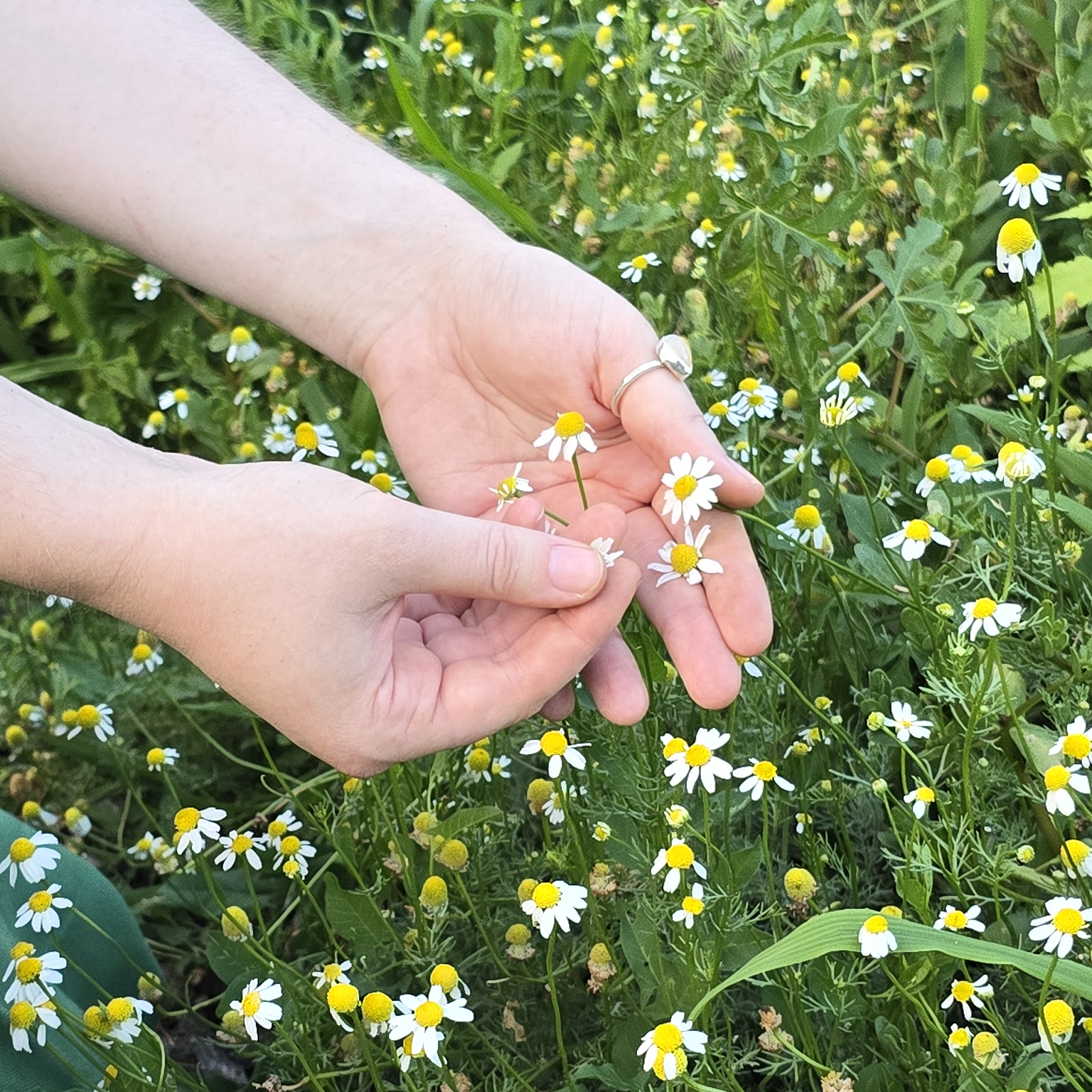
Please ask before just weeding or picking anything. We sometimes reserve certain weeds for foraging or certain flowers for craft projects. You will be instructed on what’s safe for harvest.
An adult must accompany children and teens under 18. The garden is a dynamic place with many activities and safety hazards; parents and guardians are responsible for monitoring their children's safety and behavior. We may not always have tasks appropriate for children, so keeping the child preoccupied is the responsibility of the child’s guardian, not Sustain DuPage volunteers or staff.
Only work in the garden during scheduled hours unless you have express permission from an Organizer.
Please clean up after yourself and return any tools and supplies to the shed area.
Any discrimination, harassment, or violence against any of our volunteers will result in immediate expulsion.
How Do You Garden?
Regardless of the planting techniques used, we approach gardening with a sense of stewardship and respect, doing everything we can to protect the soil and benefit the land. That’s why you’ll see some of the following practices put into play:
No-Till: Soil health is soil wealth, and we achieve our good soil structure through minimal disturbance. This is also why one of our main garden rules is to NOT step in our garden beds whenever possible, and to work with wet soil only when necessary to avoid compaction.
Mixed Bed Types: Although most of our beds are raised, which are easier to tend and maintain, we use a variety of planting formats. Whether it’s container gardening or traditional mound culture, each planting type has its own drawbacks and benefits, and we like giving our volunteers a range of experiences.
“Organic Growing”: We are not certified USDA Organic, but we do use 100% OMRI compliant products. More than that, we try to ensure fertility and soil health through biological management and natural inputs like compost, mulch, compost teas, and leaf litter for organic matter, rock dust for minerals, and cover crops or alfalfa pellets for fertilizer. Crop rotation, physical barriers, and companion planting help minimize pest pressure while also allowing a variety of crops to be planted in our relatively small space. Our goal is to work with nature rather than fight it, which is why we understand it’s acceptable for a portion of the harvest to be left or lost to insects or animals.
Traditional gardening skills: Every culture has its own form of agriculture and horticulture, as well as agricultural lore passed down through the ages. However, modern, commercial, chemical-based agriculture of the 20th century has redefined what we know as farming. We are trying to instill agricultural methods and attitudes from before that time, when people saw themselves as stewards and partners of their land, rather than as commodities for extractors. We practice indigenous skills from the Americas, Asia, and Europe whenever possible to give people a different perspective of what effective gardening can look like. We also follow guidance from permaculture and from “natural” method farmers like Masanobu Fukuoka.