
Healthy Lifestyles Through Nutrition, Mindfulness, and Connecting With the Soil
After 38 years as a practicing physician in Internal Medicine, I have had the privilege of caring for thousands of patients. Over the course of my career, I have come to appreciate something that is sometimes overlooked in modern medicine: education about how we live may be just as important to our health as ordering tests, prescribing medications, or referring a patient to a specialist.
Medicine is remarkably good at treating disease. But what if we also spent more time helping people create lives that support health in the first place?
That question has led me to think about health in a broader way—one that includes what we eat, how we move, how we manage stress, our connection with nature, and even our relationship with the soil beneath our feet.
Nutrition Is Part of Medicine
Many of the chronic diseases that affect our society are influenced by lifestyle. Heart disease, type 2 diabetes, obesity, and other chronic conditions are not simply problems that can be addressed with a prescription pad. Nutrition, physical activity, sleep, stress management, and other daily habits all play an important role.
The scale of the problem is enormous. Approximately 90% of the $4.1 trillion spent annually on health care in the United States is associated with managing and treating chronic diseases and mental health conditions.
A diet centered on whole, minimally processed plant foods—vegetables, fruits, whole grains, beans, lentils, nuts, and seeds—can be an important part of a healthy lifestyle. Research continues to show an association between healthier plant-based dietary patterns and a lower risk of cardiovascular disease. Diets rich in whole plant foods are very different from diets dominated by highly processed foods simply because they do not contain meat.
For me, nutrition is not simply about preventing disease. It is about giving our bodies the raw materials they need to function well.
Movement Is Medicine—And Gardening Counts
Physical activity is another powerful component of a healthy lifestyle.
We often think of exercise as something that happens at a gym, on a treadmill, or during a structured workout. But movement can take many forms.
Gardening is exercise.
Digging, planting, weeding, carrying, bending, walking, lifting, and tending to plants all require movement. Gardening also combines physical activity with time outdoors, purposeful work, and interaction with the natural world.
Emerging research suggests that regular gardening activity may have benefits for cardiovascular health and markers associated with brain health and dementia.
This is one reason I believe gardening can be much more than a hobby. It can become part of a healthy lifestyle.
Nature as an Old Partner in Health
Nature has been one of humanity’s oldest partners in health.
Yet in our fast-paced, technology-driven society, many of us spend remarkably little time interacting with the natural world. We spend our days surrounded by buildings, screens, artificial light, and mechanical noise.
Perhaps our bodies and minds are reminding us that we were never designed to live completely disconnected from nature.
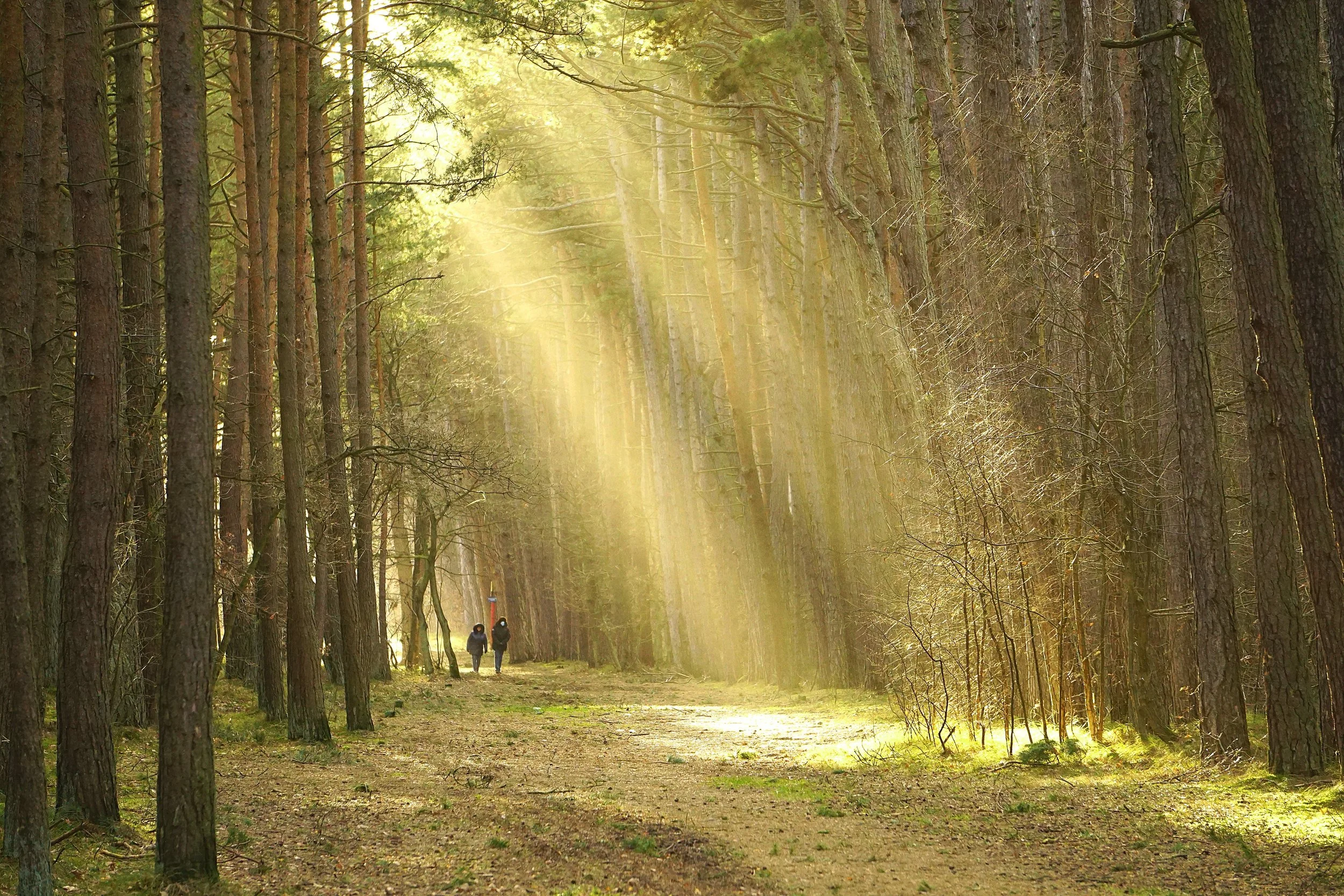
Consider something as simple as walking through a forest.
Trees and other plants release naturally occurring compounds called phytoncides and other volatile organic compounds. Researchers are studying how exposure to these substances, along with the sensory experience of being in a forest, may influence stress and well-being. Studies of forest bathing have found potential benefits for anxiety, depression, mood, and overall psychological well-being, although researchers caution that more rigorous studies are still needed.
In other words, spending time in nature may be more than simply enjoyable. It may be restorative.
What Happens When We Put Our Hands in the Soil?
This is where my interests as a physician and as a gardener come together.
The soil is alive.
A healthy handful of soil contains an enormous community of bacteria, fungi, insects, and other organisms. When we garden, we interact with this microbial world in ways that most of us rarely consider.
Scientists are beginning to investigate the relationship between exposure to soil and vegetation and the microorganisms that live on and within our bodies.
A 2024 study of gardeners found that interaction with soil during a gardening season was associated with small but detectable changes in the composition of the human gut microbiota. Other research suggests that exposure to greenspace may influence the diversity and composition of the human microbiome.
We are still learning exactly what these changes mean for human health. But the emerging science is fascinating because it suggests that our relationship with the natural microbial world may be another piece of the complex connection between the environment, the immune system, the gut, and the brain.
The soil beneath our feet is not lifeless dirt.
It is a living ecosystem—and we are part of that ecosystem.
The Health of the Planet and the Health of People Are Connected
Perhaps one of the most important lessons is that improving our own health does not have to come at the expense of the planet.
In fact, the two can often work together.
Eating more plant-based foods can reduce the environmental footprint of our diets. Research has found substantial reductions in greenhouse-gas emissions among people following vegan and other plant-rich dietary patterns, although the exact reduction varies depending on the foods being consumed and the comparison diet.
The same principle applies to the way we grow our food.
Practices such as composting, reducing food waste, protecting soil, using cover crops, reducing soil disturbance, and building soil organic matter can contribute to healthier soils and, in appropriate systems, greater carbon storage.
This creates a beautiful connection:
Healthy soil can grow healthy plants.
Healthy plants can nourish healthy people.
And healthy people can become better stewards of the soil.
It Is Never Too Late to Start
One of the most encouraging things I have learned as a physician is that it is never too late to make healthier choices.
You do not have to completely transform your life overnight.
You can start by adding another serving of vegetables to your meals.
You can take a walk.
You can spend ten quiet minutes outside without your phone.
You can plant a few herbs.
You can grow tomatoes.
You can put your hands into the soil.
You can begin composting your food scraps instead of sending them to the landfill.
Small choices, repeated over time, can become meaningful changes.
After 38 years in medicine, I have come to believe that health is not simply about treating illness when it appears. It is also about creating environments—in our bodies, our homes, our communities, and our soil—that support life.
Through my work with Sustain DuPage and Richter Nursery, I hope to bring these ideas together: nutrition, movement, mindfulness, gardening, healthy soil, environmental stewardship, and compassion for the living world.
My hope is that we can improve not only our own health, but also the health of our communities and our planet.
Because perhaps one of the simplest prescriptions for a healthier future is this:
Eat more plants.
Move your body.
Spend time in nature.
Put your hands in the soil.
And remember that we are all connected.
If this article has piqued your interest and you want to learn more about Sustain DuPage, follow us on our Instagram and sign up for our Newsletter! It releases every month and gets you up to speed on all the latest Sustain DuPage happenings!
A special thank you to Stasia Richter for writing this blog post.
